- Adjunctive digital depression therapy
- Immediate access, no waiting time
- In Europe: CE-marked medical device
deprexis: trusted worldwide.
deprexis is for you, if…

... you often feel empty inside and struggle to find joy.
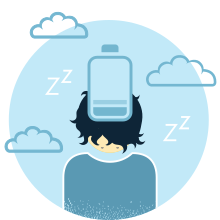
… you feel exhausted and drained, and even small tasks take a lot of energy.

... you want to regain routine and structure in your daily life.

… you are experiencing depression and want to start an adjunctive therapy quickly.

… you want to make good use of waiting times for a therapy spot.

… you want an extra layer of support alongside your current therapy.
Facing depression? deprexis.
deprexis is a globally utilized, scientifically proven adjunctive digital therapy for adults with depression. Effective for mild, moderate, and severe symptoms.
deprexis is designed as an adjunctive digital program to support the management of depressive symptoms and daily well-being, used alongside your ongoing care or treatment plan. All from the comfort of home with zero waiting times and immediate access.
deprexis is a CE-marked medical device in Europe.


275,000+
patients

83% recommendation rate

15+ years
of experience

16 clinical
trials
What sets deprexis apart from standard health apps?
Discover deprexis –
empathetic, personal, and built for everyday life.
deprexis guides you through interactive, virtual conversations inspired by established psychological approaches. You’ll gain practical insights and self-management tools to complement your personal support strategy.
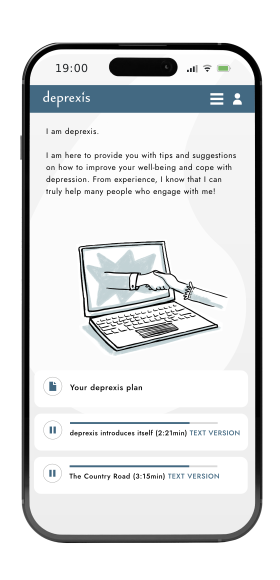
Exercises
Worksheets and audio guides support you in bringing more activity and structure back into your daily life.
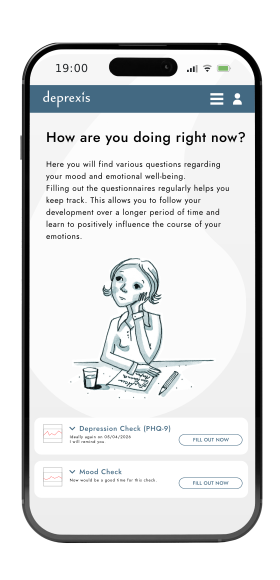
Progress
You can regularly log your activities and symptoms using questionnaires.
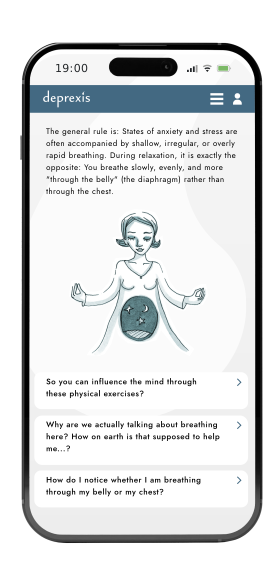
Dialogues
deprexis adapts individually to your answers and needs.
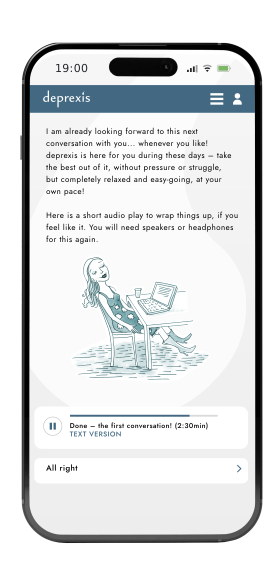
Reminders
Optional email and SMS reminders motivate you to stay on track.
deprexis success stories

I was immediately impressed by deprexis. The program adapts to my personal needs and takes the time to get to know me first. The bird’s-eye view exercise was especially helpful.
63

deprexis taught me to think outside the box. Not always sticking to the same old routines – like taking a different route for a walk than usual, or calling someone the moment they cross my mind.
55

using deprexis was a sign for me that I was actually taking action. I knew it would help me, and it’s always better to do just a little something than to do nothing at all.
31

Any questions?
Here are the answers to the most frequently asked questions about deprexis:
You can decide for yourself if deprexis is right for you as a supportive tool for your mental health. It is designed for self-directed use, allowing you to sign up and start at your own pace without needing a referral or prescription.
If you are already working with a doctor, therapist, or healthcare provider, you can always seek their guidance to see how deprexis best fits into your overall routine or care plan.
The program consists of up to ten interactive modules designed like real dialogues. Step by step, these sessions support you in recognizing unhelpful thought patterns, gaining new perspectives, strengthening social skills, and integrating healthier habits into your daily routine.
All content is accessible 24/7, allowing you to work at your own pace, whenever and wherever it suits you. This makes deprexis a flexible, supportive tool that can be used alongside traditional care.
Clinical studies demonstrate that deprexis can noticeably support in reducing symptoms of depression and sustainably improve your overall well-being.
deprexis is an evidence-based digital program that has been proven in clinical practice for over 15 years. Its effectiveness has been demonstrated in 16 clinical trials, making deprexis one of the most thoroughly researched digital mental health support programs worldwide.
Developed by GAIA, the program is backed by an experienced, interdisciplinary team of physicians, psychologists, and psychotherapists who designed the content in collaboration with patients. Additionally, deprexis has been peer-reviewed and recognized by internationally renowned experts in the field.
deprexis is intended for adults aged 18 and older. This ensures that the program’s content and exercises are tailored to adult life experiences and can be used safely and effectively.
Depression and anxiety frequently occur together.
If your depressive symptoms are your primary concern, deprexis can provide targeted support. Clinical trials have shown not only a significant reduction in depressive symptoms, but also a meaningful improvement in accompanying anxiety symptoms (1–2). In a large-scale study, individuals with comorbid social anxiety responded exceptionally well to using deprexis as support for their depression (3).
While deprexis is specifically designed to support individuals experiencing depression, research systematically monitored its impact on other psychological symptoms, including anxiety.
Important Safety & Exclusion Information:
deprexis is not intended for individuals with bipolar disorder, psychotic disorders (such as schizophrenia), or those currently experiencing a risk of suicide. A suicide risk is present if there has been a serious intent to end one's life within the past 90 days or if a suicide attempt was made within the last 12 months. If you are experiencing a mental health emergency or thoughts of self-harm, please call 911, call or text 988 immediately or go to the nearest emergency room.
References
- Beevers CG, Pearson R, Hoffman JS, et al. Effectiveness of an internet intervention (Deprexis) for depression in a united states adult sample: A parallel-group pragmatic randomized controlled trial. J Consult Clin Psychol. 2017;85(4):367-380.
- Zwerenz R, Becker J, Knickenberg RJ, et al. Online Self-Help as an Add-On to Inpatient Psychotherapy: Efficacy of a New Blended Treatment Approach. Psychother Psychosom. 2017;86(6):341-350.
- Probst T, Berger T, Meyer B, et al. Social phobia moderates the outcome in the EVIDENT study: A randomized controlled trial on an Internet-based psychological intervention for mild to moderate depressive symptoms. J Consult Clin Psychol. 2020;88(1):82-89.
deprexis is currently available in 10 languages:
- English
- German
- Spanish
- French
- Italian
- Swedish
- Greek
- Portuguese (Brazil)
- Portuguese (Portugal)
- Traditional Chinese (Taiwan)
- Japanese
Yes. deprexis is a fully responsive web application that works seamlessly on smartphones, tablets, and desktop computers without requiring any app download.
All you need is an active internet connection and a current mobile browser (such as Safari, Google Chrome, Mozilla Firefox, or Microsoft Edge).
To create and access your account, you will need a valid email address. Optionally, you can provide a mobile phone number if you would like to receive SMS notifications or reminders.
deprexis has been available since 2007. The program has been continuously updated and enhanced, and has been used as an evidence-based digital health program for depression for nearly two decades.
Worldwide, more than 275,000 affected individuals have already used deprexis.
deprexis is available as a self-pay digital health program in the US, you can easily sign up and start using the program on your own schedule.
How it works for self-payers:
- Simple Access: You can purchase an access key directly through our website without any medical paperwork or insurance approvals.
- 90-Day Access: Each license grants full, 24/7 access to the interactive program for 90 days following registration.
- Reach out to diga-team@gaia-group.com to request your access key to start your deprexis journey.
Using deprexis alongside your care:
While no prescription is required, you are always welcome to share your progress or discuss the program with your healthcare provider, therapist, or doctor if you are currently in treatment.
If you have any technical questions, simply send an email to our deprexis support team at info@deprexis.de. We are happy to help and will make sure you have a smooth experience.
- Purchase access: Visit our website to purchase your 90-day access key directly, no prescription or insurance approval needed.
- Receive your access key: Once your purchase is complete, your personal access key will be sent to you via email.
- Create your account: Go to the registration page, enter your access key, and follow the simple prompts to set up your account.
Important: Double-check that your email address is entered correctly.
- Confirm your email: Check your inbox for a confirmation email and click the verification link inside to activate your account.
- Log in & start: After confirming your email, log in with your credentials at deprexis.com/login to begin your program.
You will not find deprexis in traditional app stores because it is a web-based application. You can easily access it directly through the internet browser on your smartphone, tablet, or computer. No app download, installation, or storage space required.
This web-based design ensures the highest data privacy and security standards. By bypassing third-party app store operators, your sensitive health data remains strictly protected and is processed directly through secure, certified server infrastructures.
If you are having trouble logging in or registering, please check the following steps:
- First-Time Registration: Make sure you have redeemed the access key you received via email to activate your account. You only need to enter this key once during initial registration.
- Redeem your key here.
- Standard Login: After your account is set up, do not enter your access key again. Simply log in using the email address and password you chose during registration.
- Password & Credentials: Passwords are case-sensitive. If you have forgotten your password, use the "Forgot Password" link on the login page to reset it.
- Confirmation Email: To complete your registration, you must click the link in the confirmation email we sent you. If the link has expired, you can request a new confirmation link on the registration page.
If you continue to experience technical issues, please contact our support team at info@deprexis.com.
No problem! If you have forgotten your password, you can reset it here:
Reset password
To provide feedback or submit a complaint, please use our contact form. We welcome your feedback.
If you have any questions about the content of deprexis, please feel free to contact our support team via the contact form.
deprexis is a comprehensive, interactive digital program designed as an adjunctive support tool for individuals managing depressive symptoms.
Here is an overview of the core modules:
- Behavioral Activation: Understand the link between engaging in fulfilling activities and improving mood, along with strategies to meet core psychological needs like autonomy and social connection.
- Cognitive Restructuring: Learn practical techniques to identify and manage automatic negative thoughts and cognitive distortions (e.g., catastrophizing, emotional reasoning).
- Relaxation & Lifestyle: Explore evidence-based relaxation techniques (e.g., progressive muscle relaxation, breathing exercises, visualization) alongside lifestyle adjustments like physical activity and healthy habits.
- Acceptance & Mindfulness: Discover methods to accept unwanted thoughts and emotions without judgment rather than trying to suppress them.
- Problem-Solving: Master structured approaches to break down everyday problems, evaluate options, and implement practical solutions.
- Early Life Experiences: A behavioral approach to understanding how early learning experiences shape current emotional responses and how to process them constructively.
- Interpersonal Skills: Learn how social dynamics impact your mood and build practical skills for effective, positive communication.
- Positive Psychology: Focus on resource activation, identifying personal strengths, and building emotional resilience.
- Dreamwork (Optional): Explore behavioral techniques for using dream reflection as an optional tool for creative problem-solving.
- Summary & Integration: Review and consolidate key strategies to reinforce healthy habits for long-term well-being.
First of all: There is no single "right" way to use deprexis. Try to integrate the program naturally into your daily routine and make sure using it always feels comfortable for you. Many users find it helpful to schedule brief, recurring windows of time to engage with the content in peace.
Here are a few practical tips to stay on track:
- Create a dedicated, quiet space: Establishing a set time and place makes building a routine easier, for example, every Wednesday and Friday evening in a comfortable spot with a cup of tea.
- Aim for consistency: We recommend spending about 30 minutes in the program 1–2 times a week.
- Stack your habits: Link deprexis to an existing routine, such as right after breakfast or before your evening wind-down. Building on daily habits makes consistency much easier.
- Stay open and patient: Approach the exercises with an open mind and without any pressure to perform. You don't need to feel an immediate breakthrough with every single exercise.
- Keep a reflection journal: Write down insights, breakthroughs, and strategies from deprexis that resonate with you in a dedicated notebook.
- Use gentle reminders: Calendar alerts or SMS reminders can serve as a supportive invitation to take time for your mental well-being.
- Give yourself permission to pause: It is completely fine to pause a dialogue and resume it later when you have more energy.
- Reach out for support: If any content feels challenging or raises questions, feel free to discuss your thoughts with a healthcare professional, therapist, or trusted person in your life.
Yes. deprexis is specifically designed as an adjunctive (complementary) digital program to be used alongside your existing care plan.
It is not intended as a standalone treatment or a replacement for professional medical care, psychotherapy, or prescribed medication. deprexis does not provide diagnostic or medical decisions. Any changes to your current medication, treatment plan, or therapy should always be made in direct consultation with your doctor, psychiatrist, or therapist.
If you are experiencing a mental health crisis, or if your condition suddenly worsens, please contact your doctor, therapist, or healthcare provider immediately.
deprexis is a self-guided digital program and is not intended for emergencies or acute crisis care.
If you need urgent help, please use the following free and confidential resources available 24/7:
- Suicide & Crisis Lifeline: Call or text 988 (Available 24/7, free, and confidential)
- Crisis Text Line: Text HOME to 741741 to connect with a crisis counselor
- Medical Emergencies: Call 911 or go to the nearest hospital emergency room
If you are in distress, do not hesitate to reach out for immediate professional support. Help is always available.
deprexis offers several integrated tools to help you monitor your personal progress and emotional well-being over time:
- Daily Mood Checks: Quick daily check-ins to track changes in your day-to-day mood.
- PHQ-9 Assessment: Complete the clinically validated PHQ-9 questionnaire every 14 days to track changes in your depressive symptoms over time.
- Progress Reports: Based on your mood checks and assessments, deprexis generates regular summary reports detailing your activity and progress. If you wish, you can share these reports directly with your therapist, doctor, or care team to inform your ongoing care.
- Interactive Feedback: As you navigate through the interactive modules, the program provides continuous feedback to help you reflect on your goals and build healthy habits.
deprexis is not intended or suitable for individuals experiencing certain severe or acute mental health conditions.
deprexis must not be used if you have:
- Bipolar Disorder: Including conditions characterized by severe mood fluctuations between depressive and manic phases.
- Psychotic Disorders: Such as schizophrenia, schizoaffective disorders, or acute psychotic episodes.
- Acute Suicidal Risk: If you are currently experiencing active thoughts of self-harm, a suicide risk, or have made a suicide attempt within the last 12 months.
deprexis is designed as a supportive program for managing depressive symptoms and is not a substitute for acute psychiatric care. If you are experiencing a crisis, please call 911, call or text 988 (US Suicide & Crisis Lifeline) or go to the nearest emergency room immediately.
Yes. deprexis can be a valuable adjunctive tool for individuals experiencing severe depressive episodes. Its clinical efficacy across various symptom severities, including severe depression, has been successfully demonstrated in multiple randomized controlled trials.
However, for healthcare providers supporting patients with severe depressive episodes, deprexis is intended strictly as a complementary tool alongside primary clinical treatment, continuous medical supervision, and psychotherapy. It is not intended as a standalone intervention or for patients in active suicidal crisis.
Yes. deprexis is specifically designed as an adjunctive digital program to be used alongside your ongoing care, such as traditional psychotherapy or psychiatric treatment. It is not intended as a standalone therapy or replacement for professional treatment.
When used as an adjunctive tool, deprexis can significantly enhance overall care outcomes. Clinical research shows that individuals who used deprexis alongside their standard therapy experienced more than double the improvement in their depressive symptoms compared to those receiving traditional psychotherapy alone.
Reference:
(1) Berger T, Krieger T, Sude K, Meyer B, Maercker A. Evaluating an e-mental health program ("deprexis") as adjunctive treatment tool in psychotherapy for depression: Results of a pragmatic randomized controlled trial. J Affect Disord. 2018;227:455–462.
For healthcare providers, it is important to know that deprexis is not a static, one-size-fits-all program. It utilizes an advanced, dialogue-based system that dynamically adapts its content based on each user's specific symptoms, goals, and ongoing progress.
Through tailored choice pathways and continuous feedback, users can set their own focus areas and progress at their own pace. This responsive design ensures that the program delivers highly relevant, practical support for individuals as an adjunctive resource alongside your clinical care.
For healthcare providers, pacing and user engagement are key considerations. deprexis is intentionally designed to foster self-efficacy while preventing burnout. Users explore CBT-based content at their own comfortable pace, practicing real-world strategies and receiving structured, actionable feedback that makes their progress tangible.
To maintain a balanced and sustainable routine, the program generally encourages users to engage once or twice a week for about 30 to 60 minutes. Because the dynamic dialogue adapts to user inputs, individuals can pause, resume, or revisit modules whenever they need to, ensuring the experience remains supportive rather than overwhelming.
Each access key provides full access to deprexis for 90 days. Clinical experience shows that consistent use over a period of 90 to 180 days helps ensure strategies take full effect and results remain stable.
How to extend your access & save your data:
- Seamless Extension: To continue using the program beyond your initial 90 days, you can simply purchase a follow-up access key through our website before your current period expires.
- Data Retention: Extending your access before your 90 days are up ensures a seamless transition, consolidates your ongoing progress, and securely retains all of your saved entries, progress reports, and journal notes.
No, deprexis is a web-based digital program that requires an active internet connection and a compatible device, such as a smartphone, tablet, or computer. There is currently no offline mode available.
However, if you do not have consistent internet access at home, you can access deprexis from any location with a secure internet connection, such as a local public library or community center. All you need is your device or a public computer, along with your login credentials. The platform is designed to be intuitive and easy to navigate for anyone comfortable reading on a screen.
If you ever experience technical issues, our support team is happy to assist you via the contact form on our website or by email at info@deprexis.com.
Yes, you can pause or cancel deprexis at any time. You can later resume the program exactly where you left off, as your progress is saved. Please note, however, that the maximum duration of use for a single purchase is 90 days.
To continue using deprexis beyond your initial 90-day period, you can simply purchase a follow-up access key directly through our website.
Once you receive your new key via email, log in to your account and redeem it in your account settings. Your access will immediately be extended for another 90 days.
- Ensure a seamless transition: We recommend redeeming your new access key before your current 90-day period expires. You can check your remaining access time at any time in your account settings.
- Data retention: Redeeming a new key before your current access ends ensures that your account history, progress reports, and journal entries remain intact.
- Support: If your access has expired and you need assistance, please contact our support team at info@deprexis.com.
deprexis offers a low-threshold, highly flexible option. Because users can complete modules at their own pace without needing additional appointments, it is generally very accessible.
However, certain co-occurring conditions may impact how effectively a user engages with the program:
- Potential Challenges: Severe cognitive impairments, pronounced psychomotor slowing or severe lack of motivation, and limited digital literacy or reading comprehension can make independent usage more difficult.
- Clinical Recommendation: For users with these specific challenges, a brief initial assessment of their readiness and ability to engage with digital content can help ensure a positive experience.
Yes. You can use deprexis anonymously by signing up with an email address and screen name that do not reveal your real identity. Free, privacy-focused or standard email services, such as ProtonMail, Gmail, or Yahoo, can easily be used for registration.
Furthermore, we take the protection of your personal and health data extremely seriously. Your email address and usage data are strictly used to operate the program and will never be sold, rented, or passed on to third parties for promotional purposes. deprexis is committed to protecting user privacy and maintains high standards for data security. The platform is designed to align with applicable US privacy and health data standards, including HIPAA principles for safeguarding protected health information. Personal data is treated with strict confidentiality and is not sold or shared with unauthorized third parties. Data is processed and stored on secure, encrypted servers.
We adhere to the highest international data protection and cybersecurity standards, including the Health Insurance Portability and Accountability Act (HIPAA) in the United States and the EU General Data Protection Regulation (GDPR).
- Strict Confidentiality: Your personal health data is treated as strictly confidential. It will never be sold, shared with third parties for marketing, or used for advertising purposes.
- Encrypted Transmission & Storage: All user inputs and progress metrics are transmitted using end-to-end encryption and stored in secure, highly protected cloud server environments.
- US Data Hosting: Data for US users is processed and hosted on secure, HIPAA-compliant server infrastructures.
After the end of program use (90-day period of use), all personal data will be deleted automatically and without delay.
Providing your mobile phone number is completely optional and is only used if you choose to enable our SMS notification service.
If opted in, you will receive supportive text messages, such as daily reminders, encouraging prompts, and quick exercises, to help you build a consistent routine and stay motivated throughout the program.
Note: You can opt out of SMS notifications at any time in your account settings.
Yes, you can easily export your deprexis data at any time.
Under the "Profile & Data" section in your account, you will find an overview of your completed sessions, journal entries, and progress assessments. By clicking the "Export PDF" button, you can download a comprehensive summary report.
This PDF can be saved for your personal records or conveniently shared with your therapist, doctor, or care team to help inform your ongoing treatment.
Responsibility is clearly defined between the manufacturer and the user to ensure safe and transparent operation:
- Our Responsibility (Software & Data Safety): As the developer, we are responsible for the technical functionality, data privacy (HIPAA compliance), security, and evidence-based quality of the deprexis program.
- Your Responsibility (Personal Well-Being & Emergency Care): As a user, you engage with deprexis as a self-guided, adjunctive support tool. deprexis does not provide medical diagnoses, treatment plans, or emergency intervention. You are responsible for monitoring your own health and seeking immediate professional medical care if your symptoms worsen or if you experience an acute mental health crisis.
By using deprexis, you agree to our standard Terms of Service, which outline the boundaries of a digital self-help tool versus professional medical care.